When selecting a forklift, one of the most important decisions isn’t always capacity or mast type – it’s how the truck is powered.
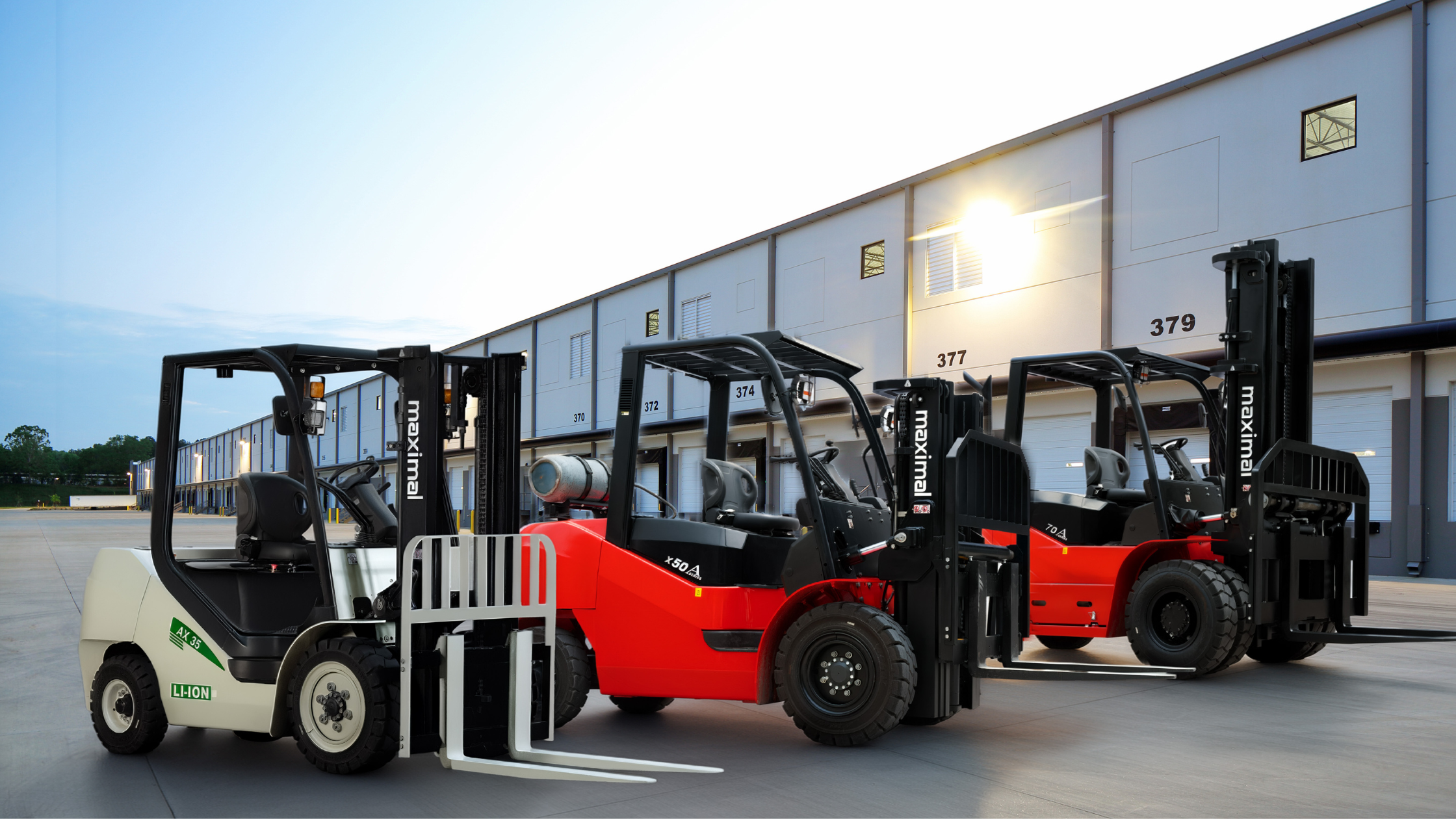
Two popular options within the Maximal range are the lithium-powered FBAX Range and the diesel-powered FDTA Range.
At first glance, these trucks are very similar. Both are built to handle the same types of applications, offer comparable capacities, and deliver dependable performance across a wide range of environments.
So, what actually separates them? The answer comes down to power source, operation style, and day-to-day usage.
Built for the Same Job
Both the FBAX and FDTA ranges are designed as general-purpose counterbalance forklifts, capable of handling loads from 2.5 to 10 tonnes. They share several core characteristics:
- Robust chassis and industrial build quality
- Suitable for indoor and outdoor use
- Designed for daily material handling tasks
- Comparable lift capacities and configurations
In practical terms, this means either truck can be specified to perform the same role within an operation – whether that’s loading vehicles, moving palletised goods, or supporting production.
The Key Difference: Power Source
Lithium-ion (FBAX Range)
The FBAX Range is powered by an integrated lithium-ion battery system.
This setup delivers:
- Consistent power output across the shift
- Fast charging and opportunity charging capability
- Minimal maintenance requirements
- Smooth and quiet operation
The FBAX range is engineered as a simple, reliable lithium solution with low running costs and an integrated 115.2V power system designed for everyday workloads.
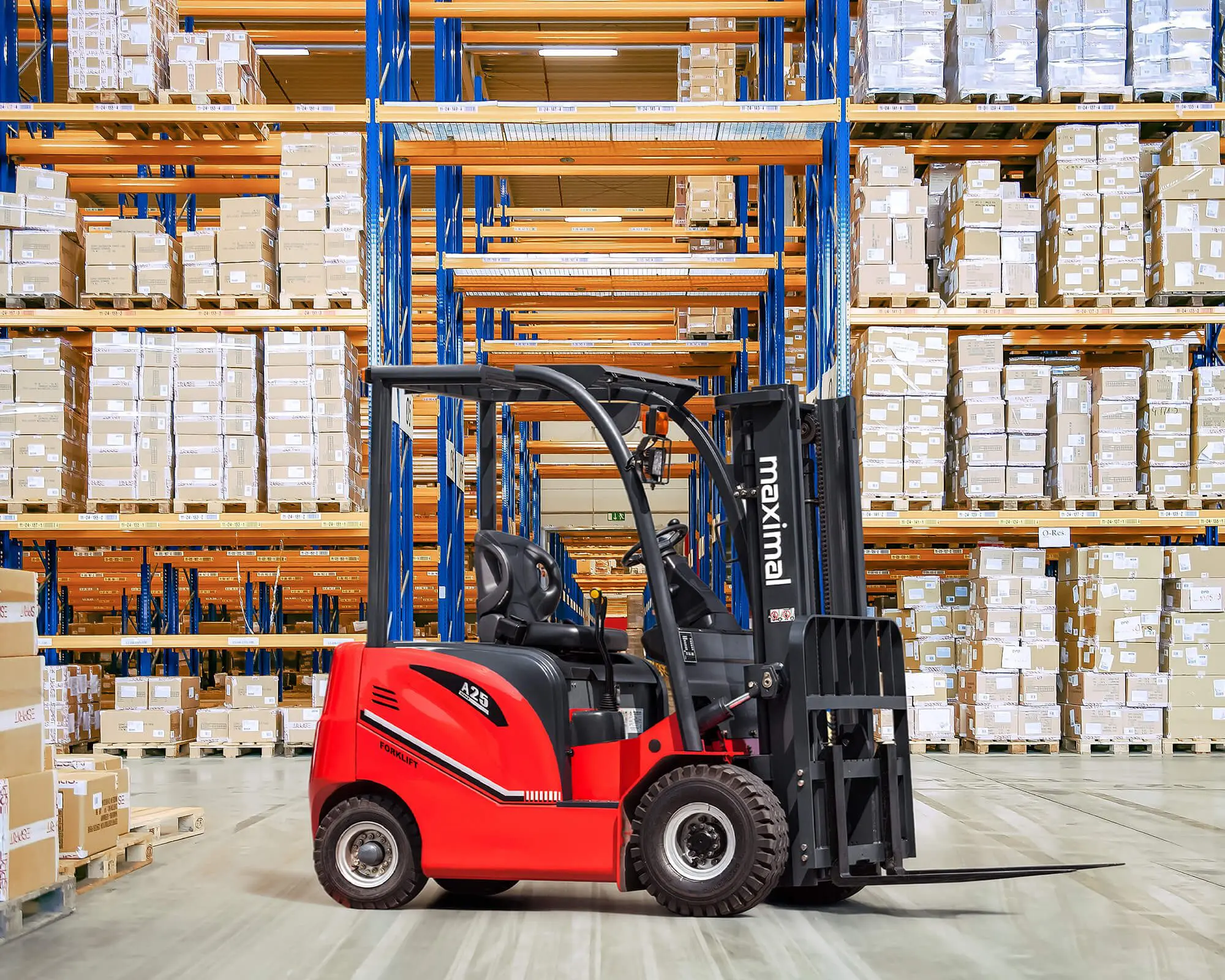
Lithium forklifts are particularly well-suited to operations where uptime, efficiency, and ease of use are priorities, especially in mixed indoor/outdoor environments
Diesel (FDTA Range)
The FDTA Range 2.5–3.5T uses a traditional internal combustion diesel engine.
This provides:
- High torque output for demanding tasks
- Continuous operation with quick refuelling
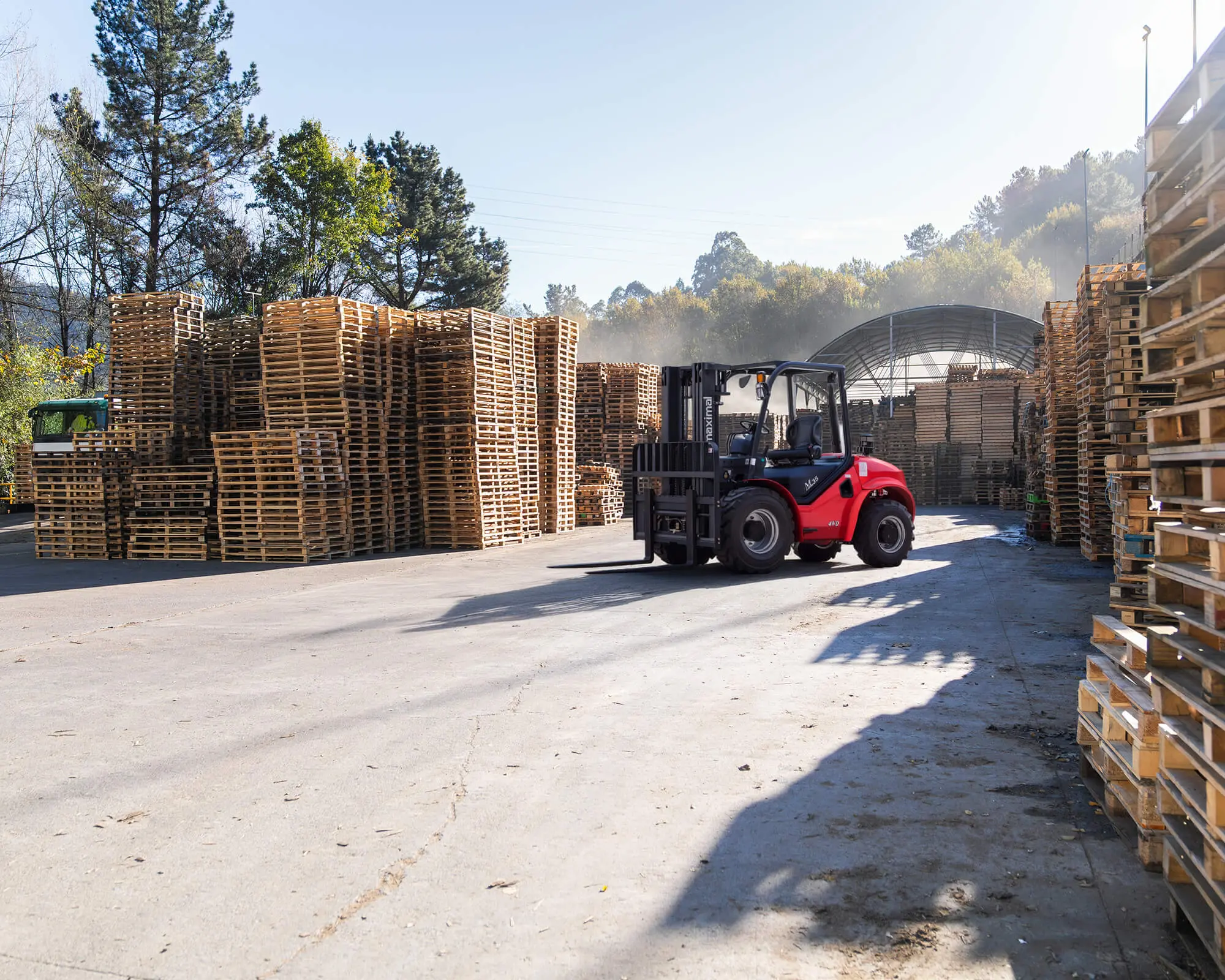
- Strong performance in outdoor environments
- Proven durability in challenging conditions
Diesel forklifts are widely recognised for their ability to handle heavy-duty work and longer operating cycles, particularly in outdoor or uneven environments.
The FDTA range mirrors the FBAX in capability but uses diesel power to deliver consistent performance across industrial applications.
Operational Differences in Practice
Although both trucks can perform the same roles, the way they operate day-to-day differs slightly due to their power systems.
Energy & Refuelling
- Lithium: Charged electrically, often during breaks
- Diesel: Refuelled with fuel, typically in minutes
Maintenance Approach
- Lithium: Fewer routine maintenance requirements (no engine servicing)
- Diesel: Requires regular engine and fuel system servicing
Operator Experience
- Lithium: Quieter, smoother acceleration
- Diesel: Familiar engine-driven performance and sound
Environment
- Lithium: Well suited to indoor and mixed-use settings
- Diesel: Commonly preferred for outdoor-heavy operations
None of these differences change what the truck can do – they simply influence how it fits into a workflow.
Performance & Capability
From a specification perspective, both ranges align closely:
- Capacities from 2.5–10 tonnes
- Comparable lift heights and chassis sizes
- Designed for stability, control, and reliability
For example, the FDTA models offer standard industrial dimensions and turning radii suited to typical yard and warehouse operations.
Meanwhile, the FBAX range focuses on delivering consistent electric power through its integrated drive system, maintaining performance across daily tasks.
In short, both trucks are engineered to achieve the same outcomes, just through different power delivery methods.
Total Cost of Ownership
When comparing lithium-ion and diesel forklifts, it’s important to look beyond the initial purchase price and consider the total cost of ownership (TCO) – which includes energy, maintenance, uptime, and long-term value.
Diesel forklifts typically have a lower upfront cost, making them attractive from a capital expenditure perspective. However, they incur ongoing costs through fuel consumption and routine engine servicing. Lithium-ion forklifts, on the other hand, often come with a higher initial investment due to battery technology, but benefit from lower day-to-day running costs. Electricity is generally cheaper than diesel fuel, and the simplified design of lithium trucks, with fewer moving parts and no engine-related servicing, reduces maintenance requirements over time.
Over the lifecycle of the truck, these differences can balance out depending on usage. High-utilisation operations may see reduced operating costs with lithium due to energy efficiency and minimal downtime, while diesel remains a straightforward, familiar solution with predictable servicing patterns. Ultimately, both power types deliver value, the difference lies in how those costs are distributed across the lifespan of the truck.
Choosing Between Li-ion and Diesel
Rather than thinking in terms of “better or worse”, it’s more accurate to view these trucks as two variations of the same core machine.
- The FBAX offers a modern lithium-powered approach with simplified operation and reduced maintenance
- The FDTA delivers a traditional diesel solution with familiar refuelling and strong outdoor performance
Both sit within the same product family philosophy: reliable, hard-working forklifts built for real-world applications.
Final Thoughts
The FBAX Range 2.5–3.5T and FDTA Range 2.5–3.5T are not competing machines, they are parallel solutions.
They share the same purpose, capability, and design intent. The only real distinction lies in how they are powered and how that integrates into your operation.
Understanding that difference makes it much easier to select the right truck for your environment – while knowing that either option will deliver the performance expected from the Maximal range.