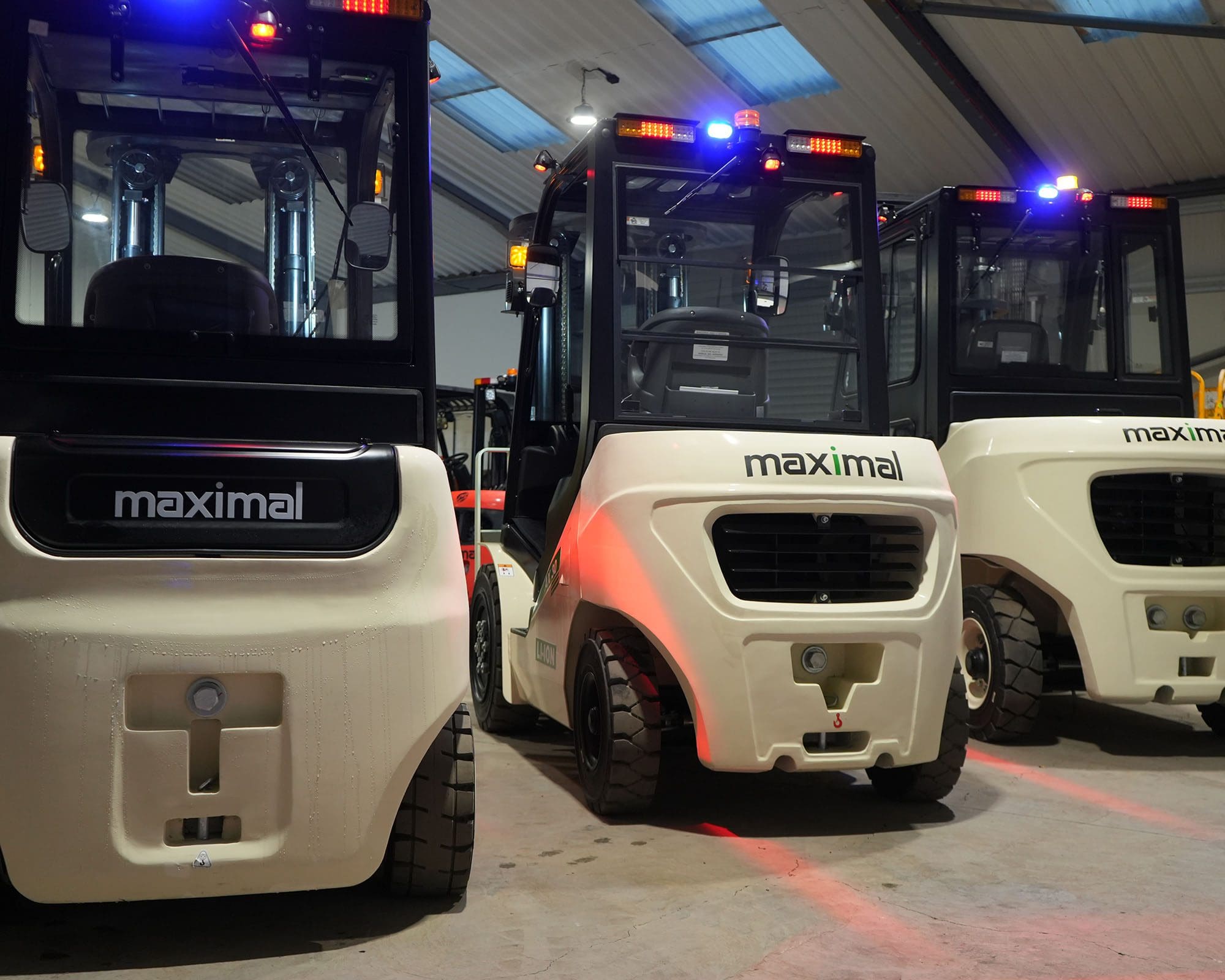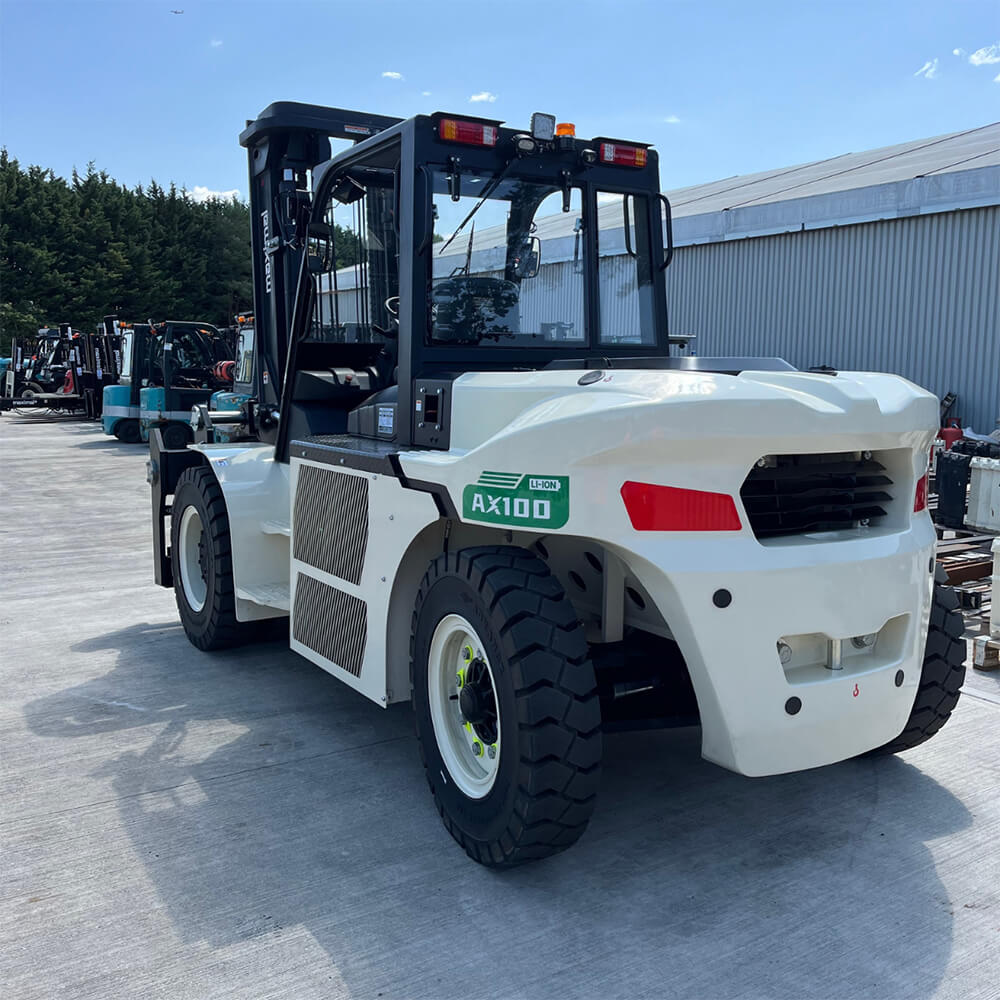
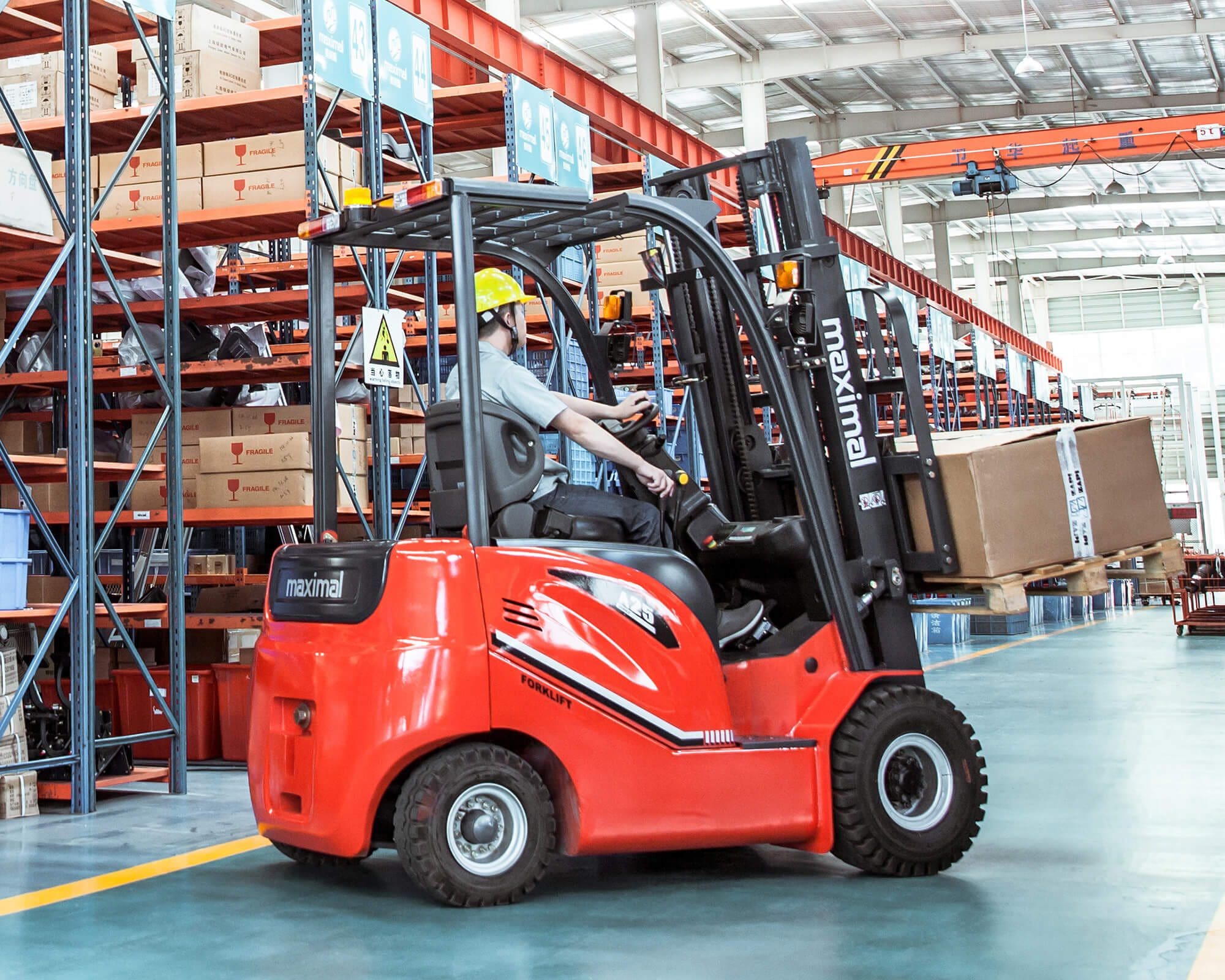
For businesses looking to improve efficiency while reducing their environmental impact, switching to electric forklifts can be an attractive option.
Electric forklift technology has developed significantly in recent years, making modern electric models suitable for a wide range of materials handling applications. While lower emissions are an important consideration, the benefits don’t stop there. Electric forklifts can also help businesses reduce running and maintenance costs, create a quieter working environment and support more efficient day-to-day operations.
So, what are the key benefits of making the switch?
1. Lower Emissions for Cleaner Operations
One of the biggest advantages of an electric forklift is that it produces no exhaust emissions during operation.
Unlike diesel or LPG-powered forklifts, electric models don’t burn fuel to power an internal combustion engine. This makes them particularly well suited to indoor environments such as warehouses, distribution centres and manufacturing facilities, where air quality is an important consideration.
For businesses working towards wider sustainability targets, reducing the use of fossil fuels across their materials handling fleet can also be an important step.
While the overall environmental impact of an electric forklift will depend on factors such as how its electricity is generated and how the battery is manufactured and charged, eliminating exhaust emissions at the point of use can make a significant difference to the working environment.
2. Lower Running Costs
For many businesses, the financial benefits of electric forklifts can be just as important as their environmental credentials.
Electric forklifts don’t require diesel or LPG, meaning businesses can move away from traditional fuel costs and instead charge their batteries using electricity. The overall saving will depend on factors such as energy prices, usage and operating patterns, but electric power can provide an efficient alternative to conventional fuel.
There are also fewer components associated with an electric powertrain that require regular servicing. Electric forklifts don’t have the same engine-related maintenance requirements as internal combustion models, such as engine oil changes, spark plug replacements and certain filter changes.
Over the lifetime of a forklift, reducing these maintenance requirements can contribute to a lower total cost of ownership.
3. Less Maintenance and Downtime
Keeping a forklift fleet operational is essential for businesses that rely on materials handling equipment every day.
Electric forklifts generally have fewer moving parts than their internal combustion counterparts. This can mean fewer components subject to wear and fewer routine maintenance tasks.
Modern electric forklifts can also incorporate technologies such as regenerative braking, which recovers energy during braking and feeds it back into the battery. As well as helping to improve energy efficiency, regenerative braking can reduce wear on conventional braking components.
Of course, all forklifts require regular inspections, servicing and maintenance to remain safe and reliable. However, the simpler design of an electric powertrain can help reduce some of the maintenance associated with traditional engine-powered equipment.
4. A Quieter Working Environment
Noise is another consideration that can easily be overlooked when choosing materials handling equipment.
Electric forklifts are typically much quieter during operation than diesel or LPG-powered alternatives. This can be particularly beneficial in indoor workplaces where forklifts and employees are operating alongside one another throughout the day.
A quieter working environment can make communication easier and reduce the background noise generated by materials handling operations.
For warehouses, manufacturing facilities and other workplaces where noise levels are already a consideration, this can be a valuable additional benefit.
5. Well Suited to Indoor Operations
The absence of exhaust emissions makes electric forklifts a natural choice for many indoor applications.
Warehouses, distribution centres, production facilities and logistics operations can all benefit from the clean and quiet operation of electric equipment.
Electric forklifts can also be available in compact configurations, making them suitable for applications where manoeuvrability and efficient use of floor space are important.
However, choosing the right forklift isn’t simply a case of selecting electric power and assuming it will meet every requirement. Businesses need to consider factors such as load capacity, lift height, operating environment, shift patterns and the intensity of use before deciding which specification is right for them.
Are Electric Forklifts Right for Every Business?
Although electric forklifts offer a number of benefits, they aren’t automatically the right choice for every application.
Businesses operating forklifts for long periods, across multiple shifts or in demanding outdoor environments need to consider how the equipment will be powered and charged throughout the working day.
Battery capacity, charging facilities and operating schedules all need to be taken into account. Fortunately, advances in battery and charging technology mean there are now more options available than ever before.
The key is to look beyond the initial purchase price and consider the total cost of ownership. This includes energy or fuel costs, maintenance, downtime and the expected working life of the equipment.
A forklift that costs more initially but is more economical to operate and maintain could potentially provide better value over its lifetime.
A More Efficient Approach to Materials Handling
For many businesses, the move towards electric forklifts isn’t driven by a single factor.
Lower emissions can support environmental objectives. Lower fuel and maintenance costs can help control operating expenditure. Quieter operation can improve the working environment, while modern electric technology can provide the performance businesses need for a wide range of applications.
As businesses review their materials handling fleets, electric forklifts are therefore becoming an increasingly important option to consider.
The right choice will always depend on the individual operation, but looking at the complete picture rather than simply the upfront purchase price can help businesses make a more informed decision.
Looking to Switch to Electric?
If you’re considering replacing an existing forklift or reviewing your materials handling fleet, Maximal Forklift can help you explore the options available.
From warehouse operations to demanding industrial applications, Maximal offers a wide range of forklifts, from the 1.5T model to the new 10T Lithium forklift. Choosing the right forklift starts with understanding how your business operates.
Speak to the Maximal Forklift team to discuss your requirements and find the right solution for your operation.