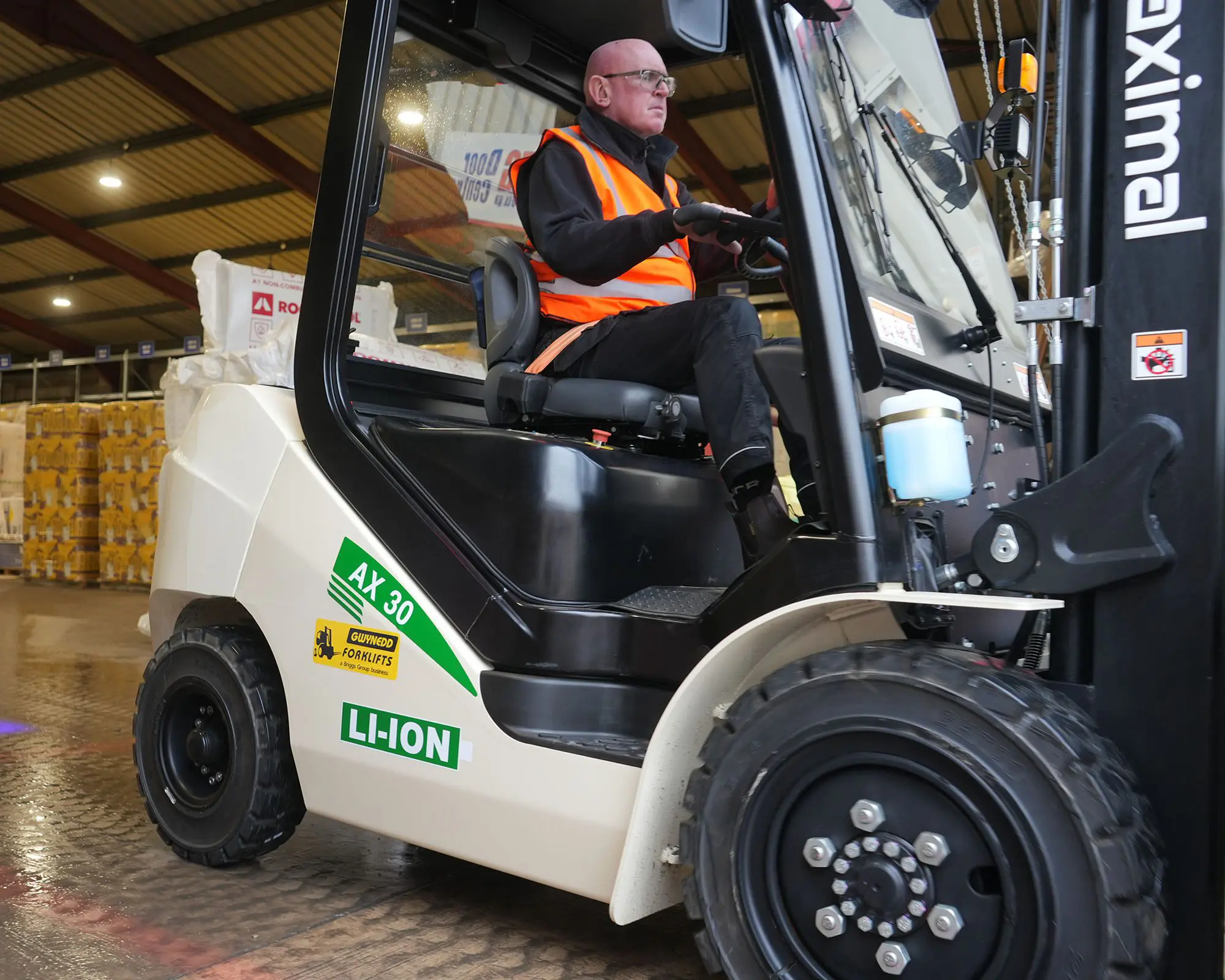
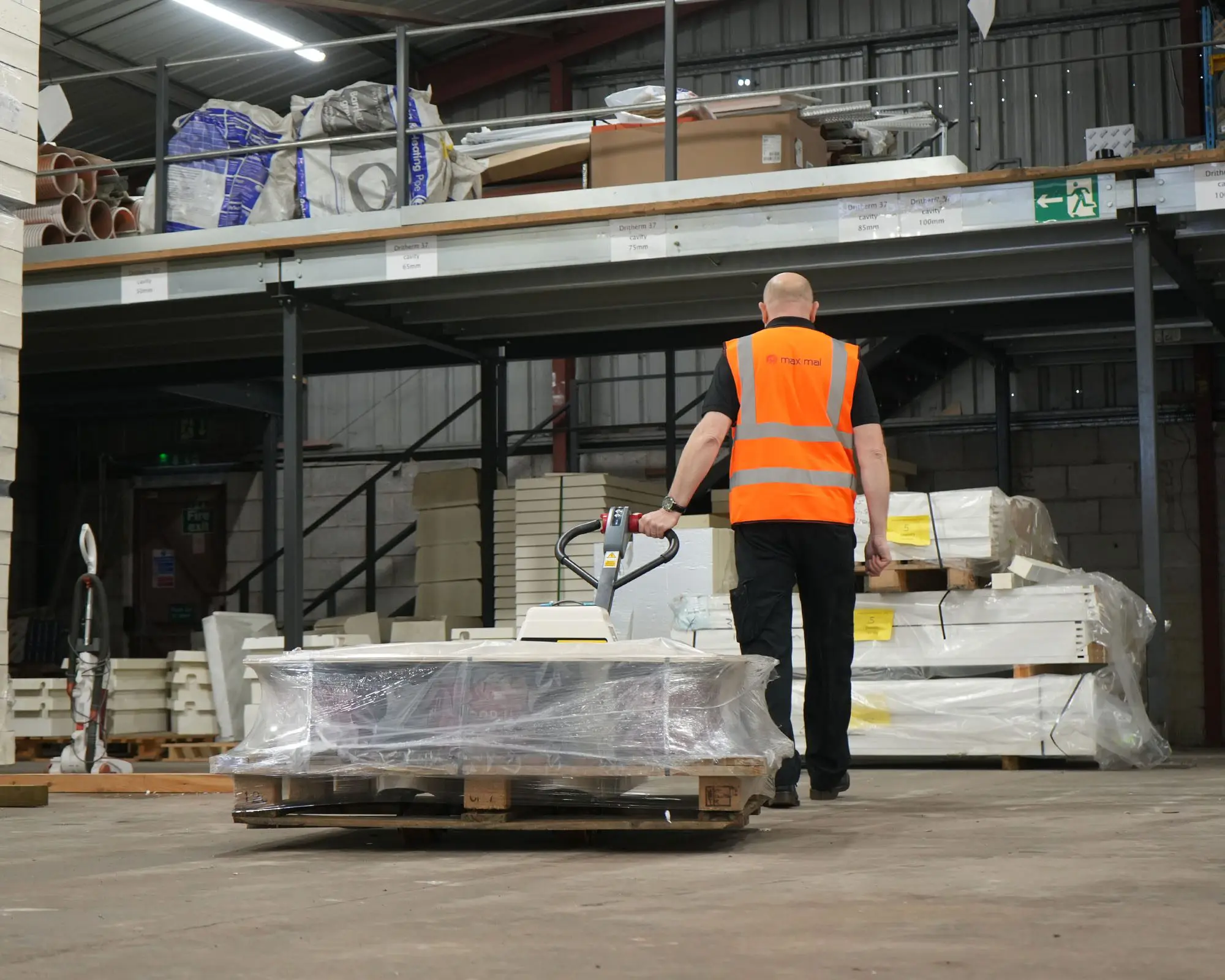
Choosing the right forklift is one of the most important decisions for any warehouse, logistics centre or industrial operation. With the rise of sustainable equipment and evolving safety standards, many UK businesses are now weighing up electric vs diesel forklifts, and considering whether a gas forklift may be the ideal middle-ground.
This guide breaks down the key differences between each forklift type, how they perform in real working environments, and what you should consider before making a purchase, helping you make a confident, informed decision.
Understanding the Three Main Forklift Types
Modern material handling operations rely on three primary forklift power sources: electric, diesel, and LPG gas. Each comes with its own strengths, limitations and best-fit scenarios depending on your environment and workload.
Let’s take a closer look at how they compare.
Electric Forklifts
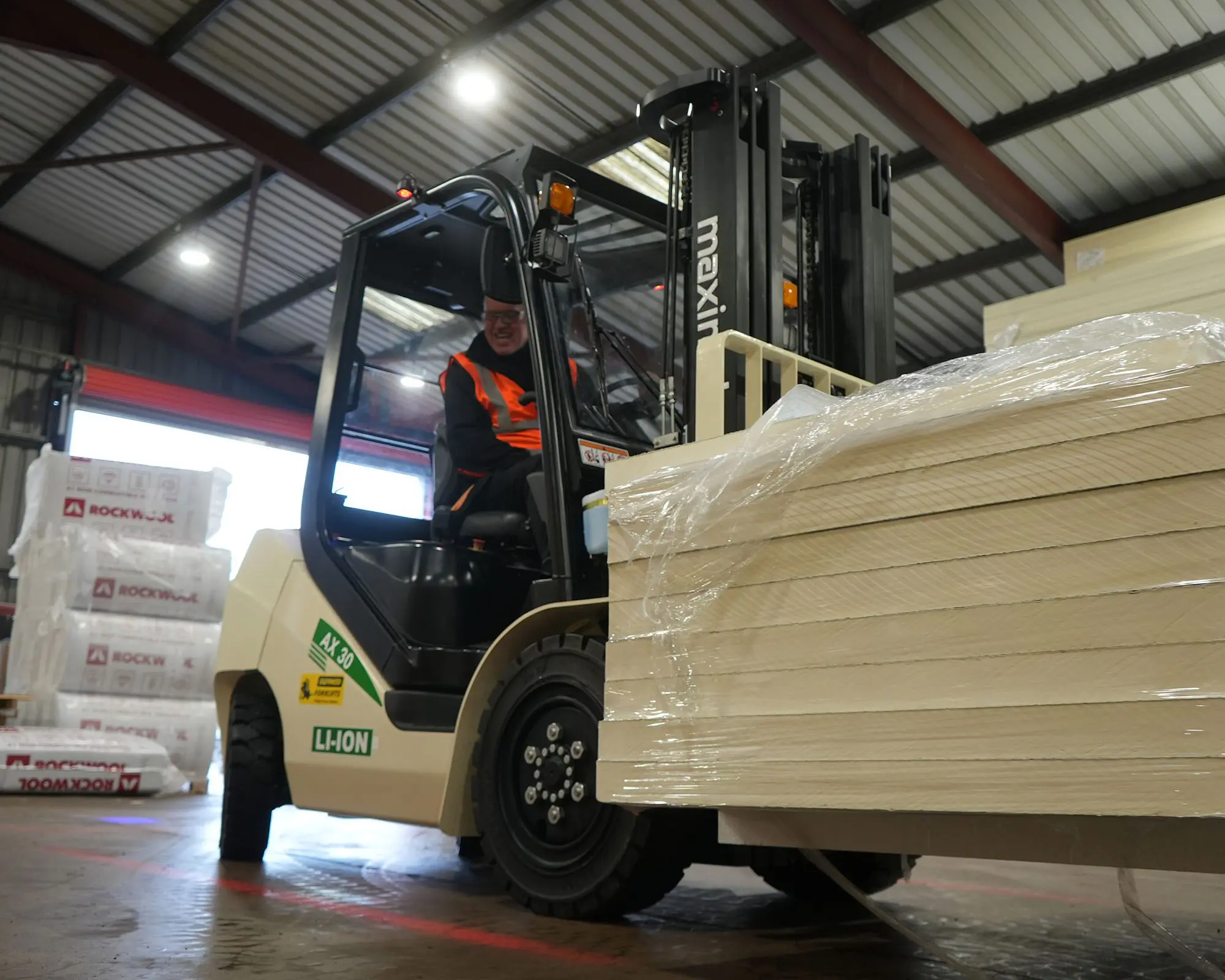
Electric forklifts have quickly become a popular choice for UK businesses wanting lower emissions, quiet operation and excellent energy efficiency.
Key Benefits
- Zero emissions, ideal for indoor and food-grade environments
- Low noise, improving operator comfort
- Lower running costs compared to combustion engines
- Smooth operation and precise control
Best For
- Warehouses
- Retail distribution
- Indoor manufacturing
Environments with strict emissions or noise regulations.
Considerations
Electric forklifts typically require battery charging infrastructure and may not be ideal for highly intensive outdoor applications unless using higher-capacity battery models.
Diesel Forklifts
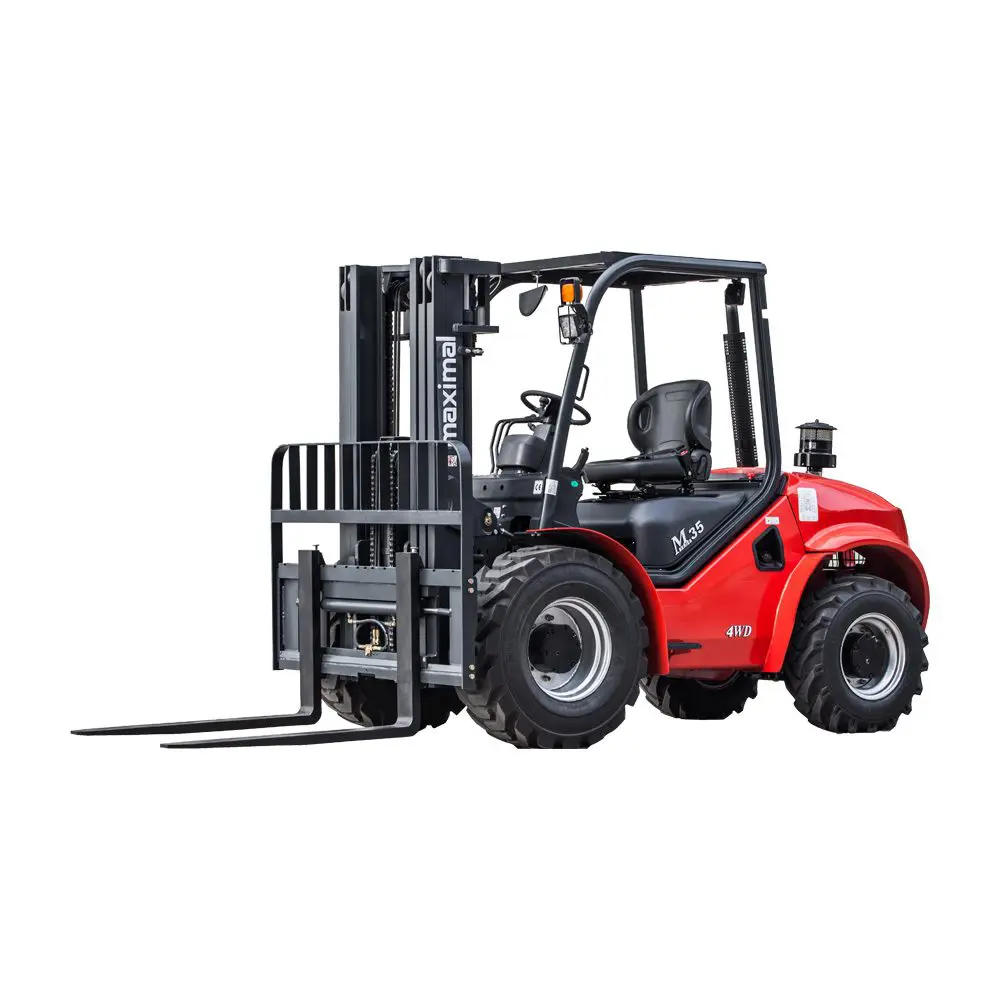
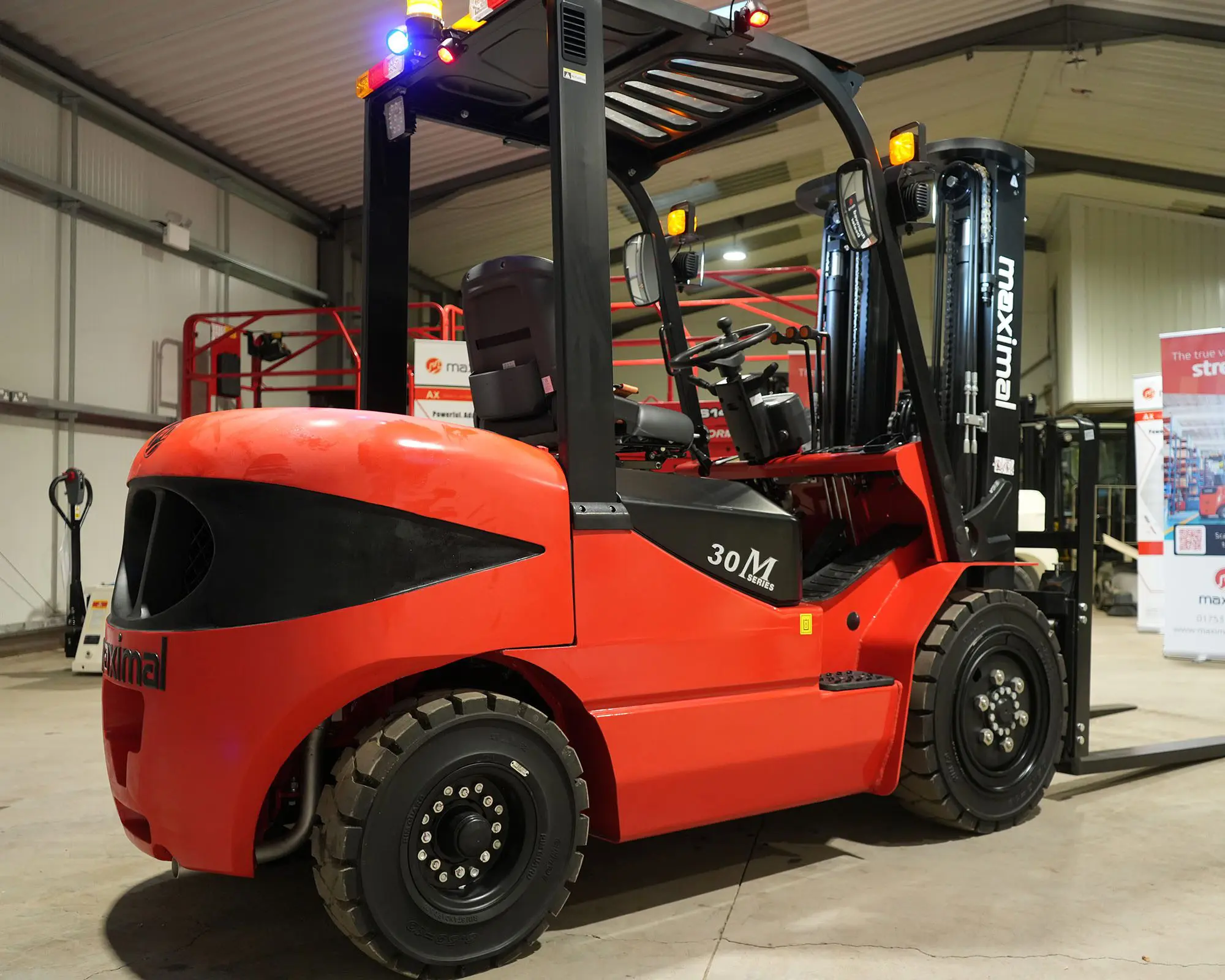
Diesel forklifts are known for their power, torque and durability, making them a preferred choice for heavy-duty and outdoor operations.
Key Benefits
- High lifting power for demanding loads
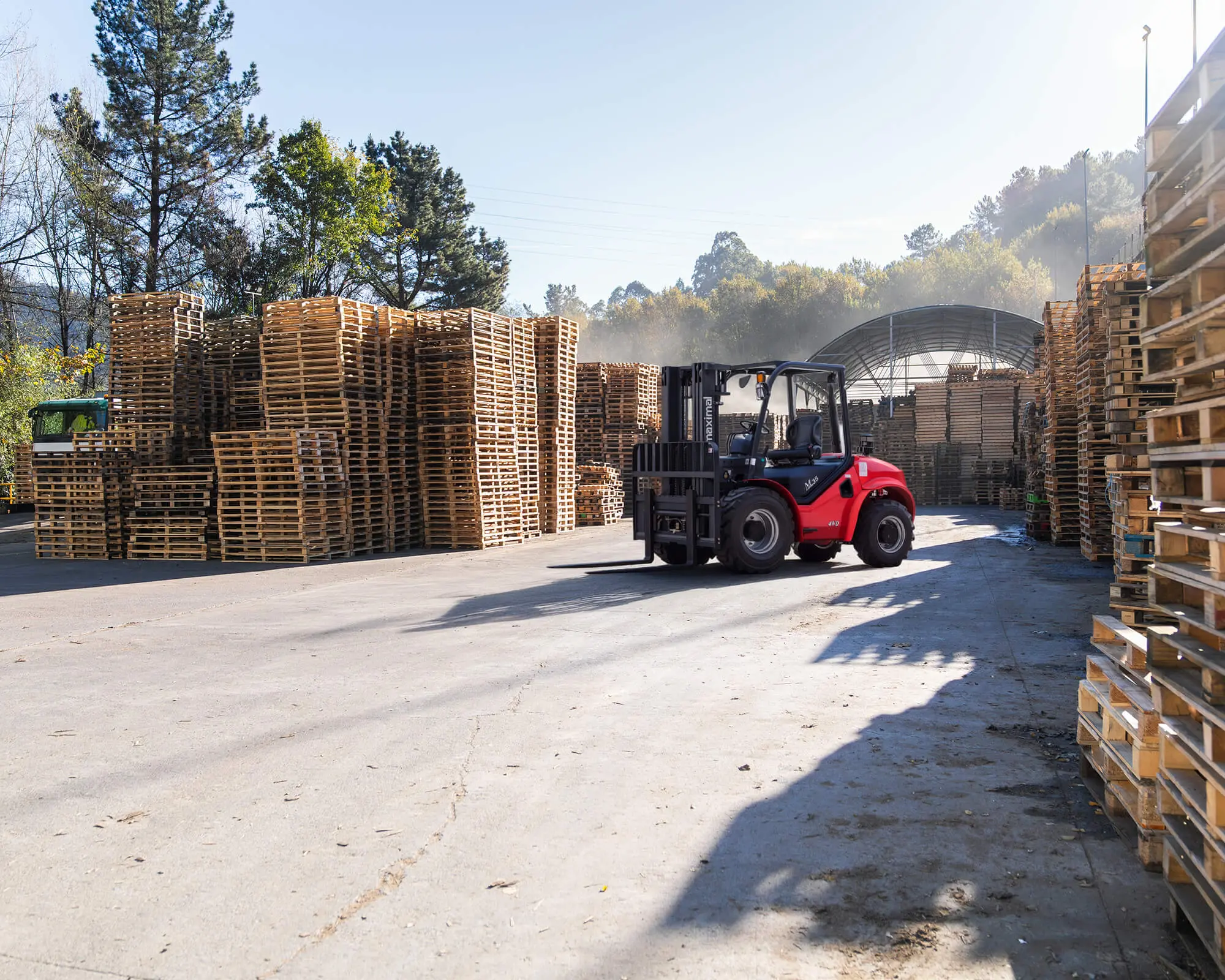
- Strong performance outdoors
- Long running times with quick refuelling
- Reliable in tough conditions
Best For
- Construction sites
- Outdoor yards
- Heavy manufacturing
- Operations requiring continuous, intensive lifting
Considerations
Diesel forklifts produce emissions and noise, making them less suitable for indoor or enclosed environments.
Gas (LPG) Forklifts
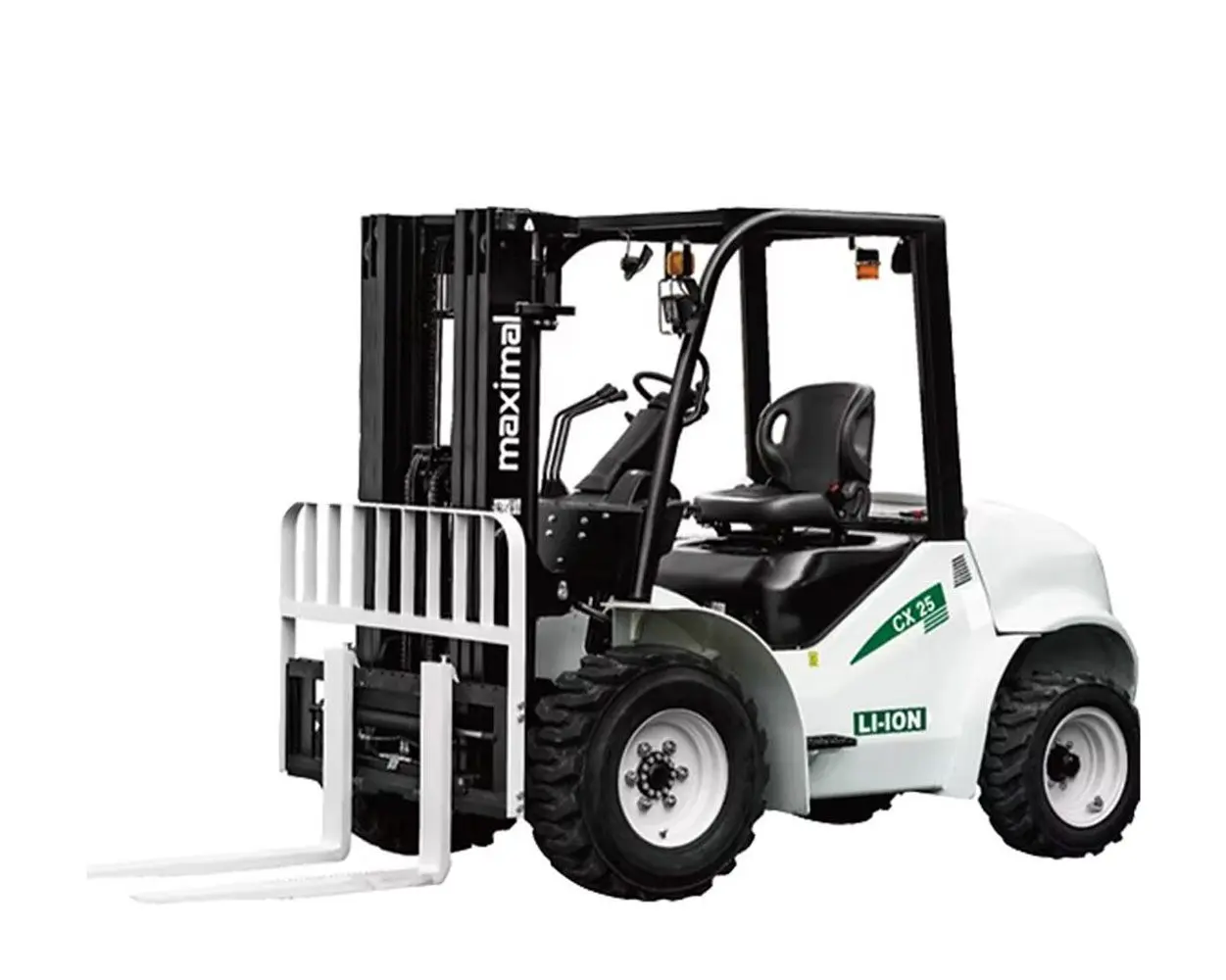
Gas forklifts offer a flexible middle-ground between electric and diesel, with cleaner emissions than diesel and strong all-round performance.
Key Benefits
- Lower emissions than diesel
- Fast refuelling
- Suitable for indoor–outdoor mixed use
- Consistent power levels
Best For
- Warehouses with open access
- Businesses needing one truck for indoor and outdoor tasks
- Medium-to-heavy duty operations
Considerations
While cleaner than diesel, LPG forklifts still produce some emissions and may require good ventilation indoors.
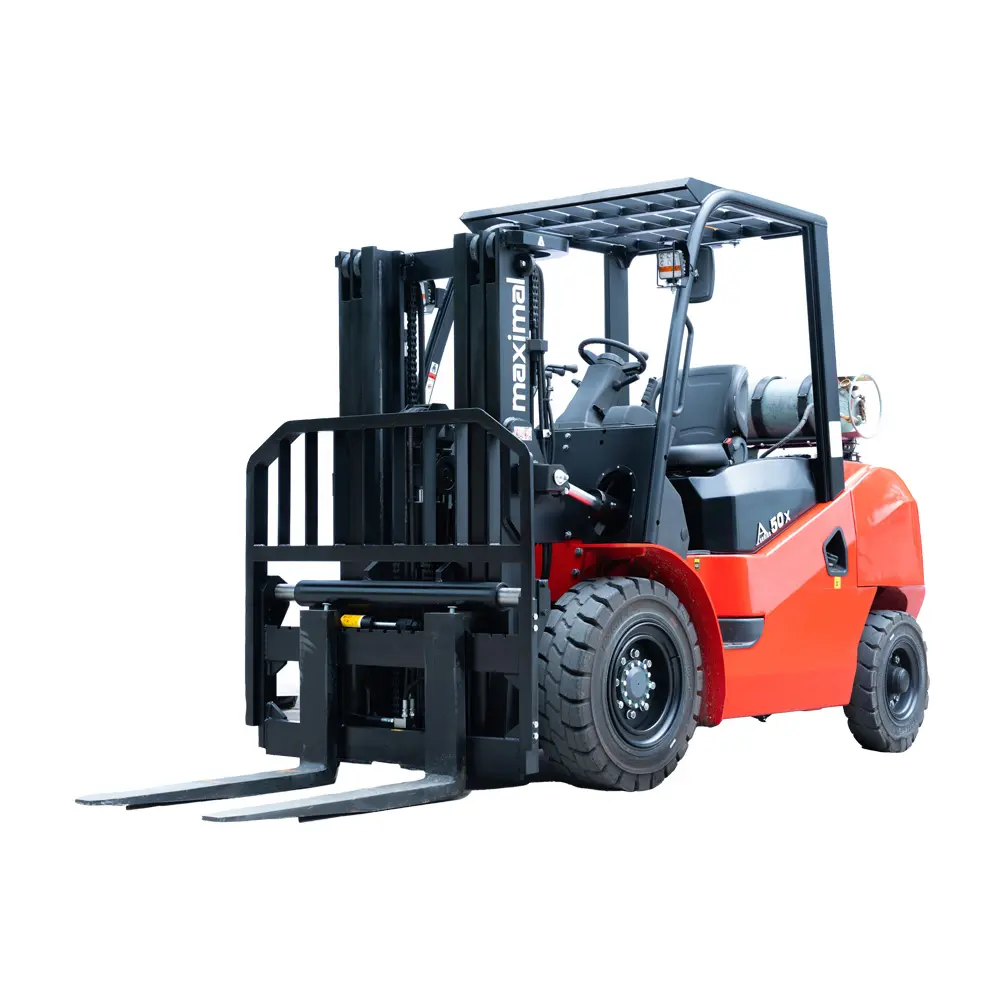
Comparing Electric vs Diesel vs Gas Forklifts
Choosing the best forklift type depends on your workload, environment and long-term operational goals.
Electric
– Best for indoor use, low noise, sustainability and reduced operating costs.
– Ideal if your team wants smoother handling and reduced emissions.
– Electric forklifts typically offer the lowest long-term running costs, with fewer moving parts and reduced maintenance.
Diesel
– Best for heavy-duty lifting, outdoor work and long shifts.
– Ideal for rugged applications like pallets, large loads or uneven ground.
– Diesel forklifts may have higher fuel and service costs but offer excellent performance for heavy workloads.
Gas (LPG)
– Best for flexible operations needing indoor-outdoor versatility.
– Ideal for businesses wanting good power with cleaner emissions than diesel.
– Gas forklifts sit between the two, offering affordable refuelling and moderate maintenance needs.
How to Choose the Best Forklift Type for Your Business
To select the right forklift, ask yourself:
- Do you operate primarily indoors, outdoors, or both?
- How heavy and frequent are your lifting requirements?
- Are emissions or noise restrictions an issue?
- Do you have access to charging facilities or fuel storage?
- What are your long-term operational cost priorities?
By matching your operational environment with the right power source, you can improve efficiency, safety and overall productivity.
FAQs
What are the main differences between electric, diesel and gas forklifts?
Electric forklifts run on battery power, offering zero emissions and quieter operation. Diesel forklifts deliver high power for outdoor and heavy-duty work. Gas (LPG) forklifts offer a balanced option suitable for both indoor and outdoor environments.
Are electric forklifts suitable for both indoor and outdoor use?
Yes – while electric forklifts are ideal for indoor environments, modern high-capacity battery models can handle light-to-medium outdoor applications too.
How do fuel costs compare between diesel and gas forklifts?
Diesel generally has higher fuel costs, with price fluctuations depending on market conditions. LPG fuel is often more cost-effective and offers smoother price stability.
Which forklift type has the lowest operating and maintenance costs?
Electric forklifts typically have the lowest running and maintenance costs due to fewer moving parts and the lower price of electricity.
How do I choose the best forklift type for my application?
Consider your operating environment, load weights, usage hours, emissions requirements, and long-term cost priorities. Indoors = electric; heavy-duty outdoors = diesel; mixed use = LPG gas.
Local Support, National Strength
In today’s fast-moving logistics and warehousing environment, having a strong dealer network behind your forklift fleet isn’t optional; it’s essential.
With local dealers spread across the UK, backed by the national support of Maximal’s parts, technical and service infrastructure, you get:
- Local insight
- Fast response times
- Expert guidance
- Reliable servicing options
- And a partner that grows with your business
That’s the power of the Maximal Dealer Network, expert support that meets you where you are and helps drive your operations forward.