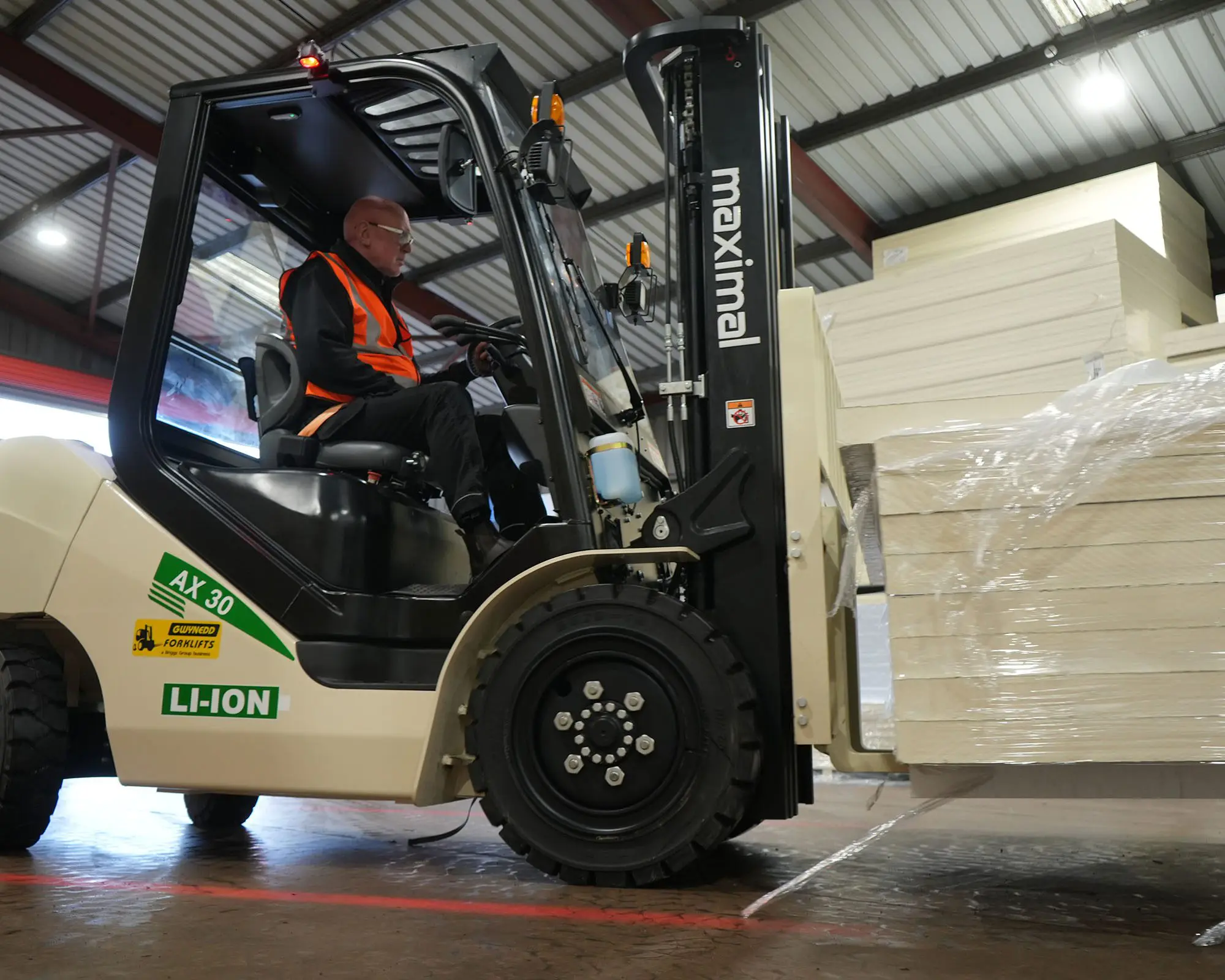
Choosing the right forklift for your business can feel overwhelming. With so many brands, models, power types, and specifications available, it’s easy to end up confused, or worse, over-investing in equipment that doesn’t fit your operation.
But selecting the correct truck doesn’t have to be difficult. When you understand your application and know what to look for, you can invest with confidence without paying more than you need to.
This guide walks you through the key considerations when choosing a forklift, helping you find the perfect balance between performance, safety, and affordability.
Why Choosing the Right Forklift Matters
Forklifts play a crucial role in productivity, safety, and operational efficiency. The wrong choice can lead to:
- Higher running costs
- Operator safety risks
- Poor performance in the wrong environment
- Unnecessary capital outlay
- Increased downtime
Too many businesses buy “too much truck” because they assume a more expensive or higher-capacity model must be better. In reality, the right forklift is the one that matches your actual workload, not theoretical maximums.
Understanding Your Application
Before you look at brands or models, it helps to understand what your forklift actually needs to do. Ask yourself:
1. What load capacities do you handle?
There’s no benefit in buying a 10-tonne truck if you’re only ever lifting 1-tonne pallets. Overspecifying doesn’t increase safety; it only increases costs.
2. How many hours a day will the truck operate?
- Light use: 1-2 hours per day
- Medium use: 3-5 hours
- Heavy use: 6+ hours
Understanding usage helps determine whether you need lithium-ion, lead-acid electric, diesel, or LPG.
3. What environment will the truck operate in?
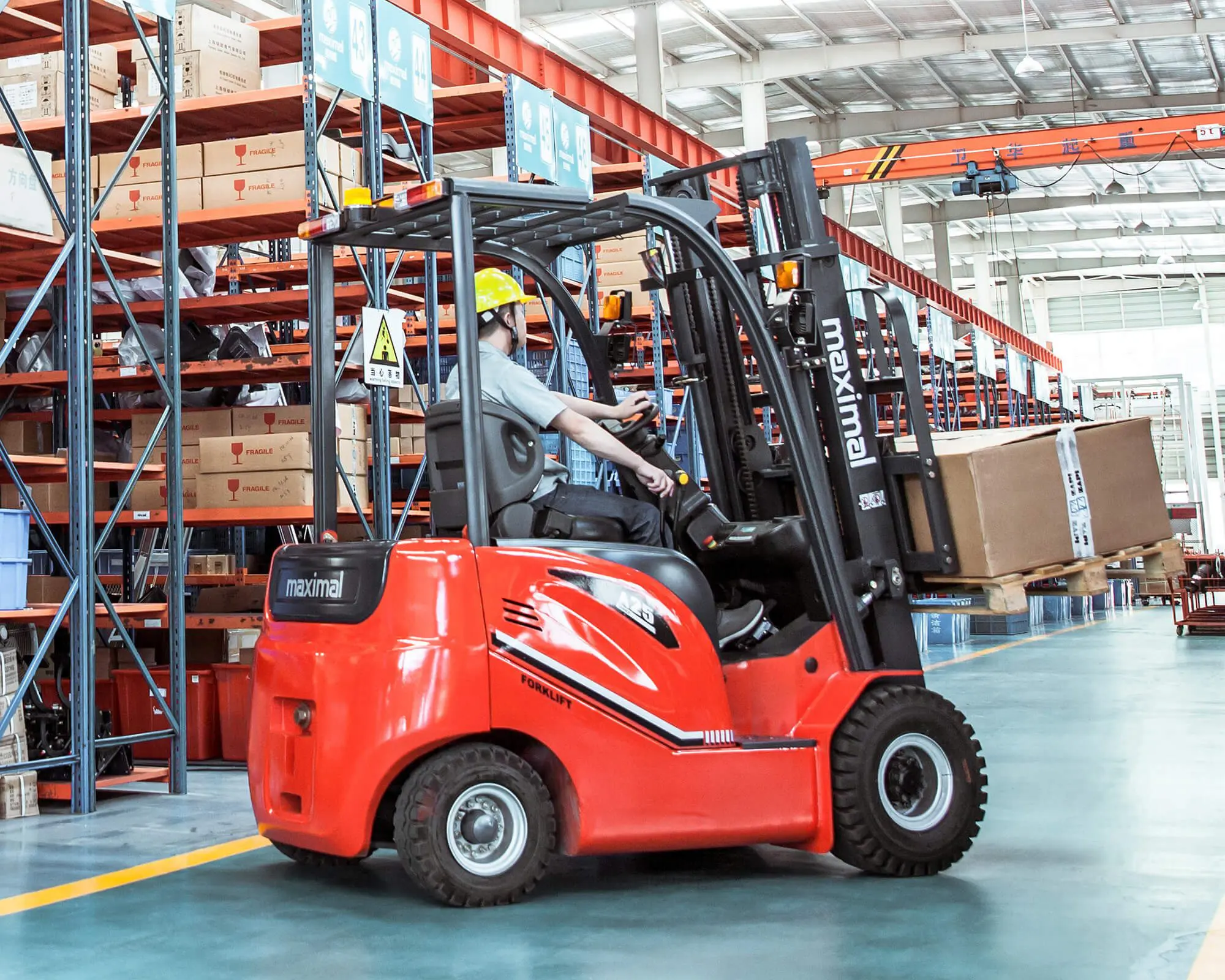
- Indoor warehouses
- Outdoor yards
- Mixed environments
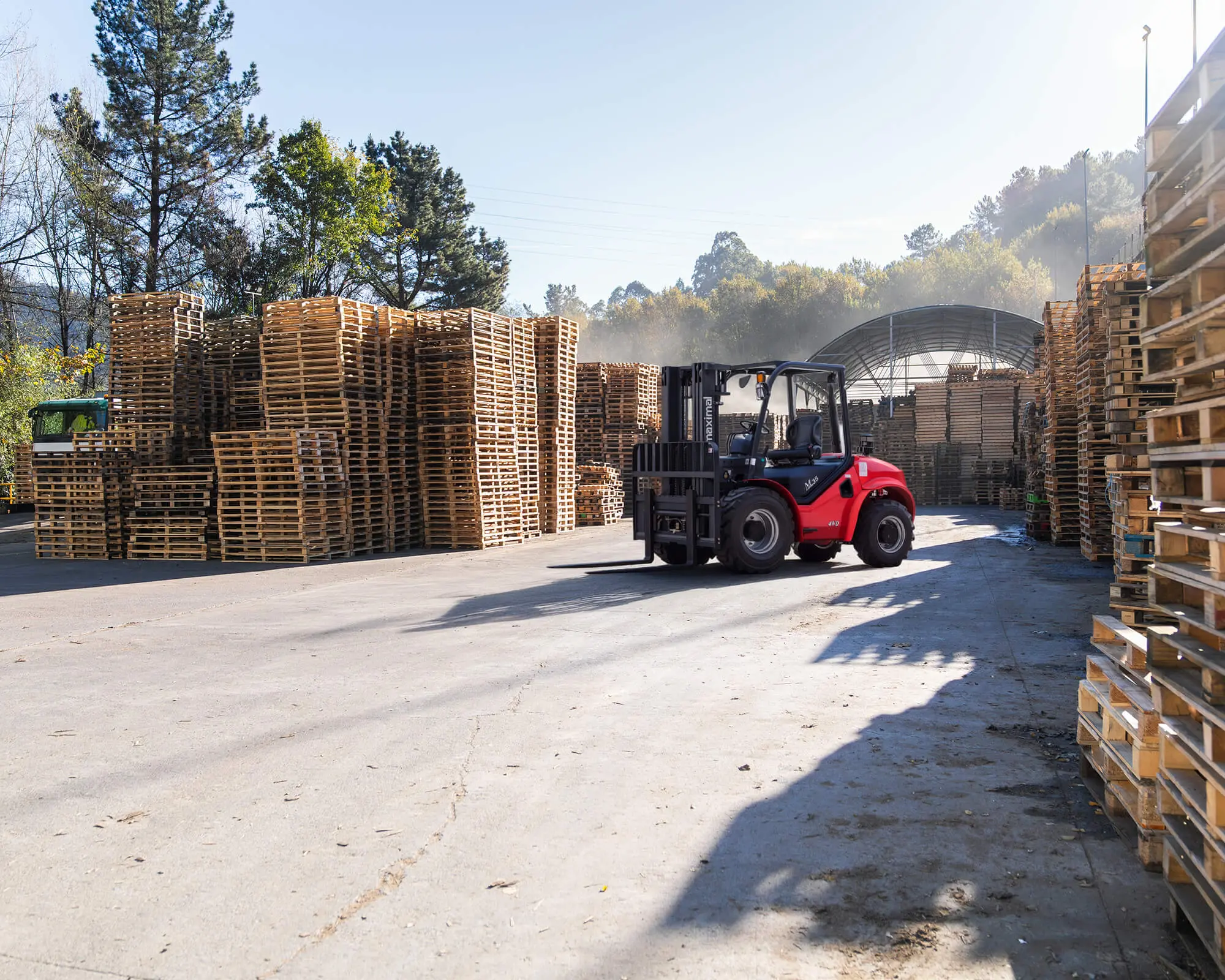
- Rough, uneven ground
A rough terrain site will require 2WD/4WD performance, whereas an indoor facility may be better served with electric trucks.
4. What mast height do you need?
Overestimating mast height is another common way businesses overspend. Measure real-world requirements to avoid unnecessary cost.
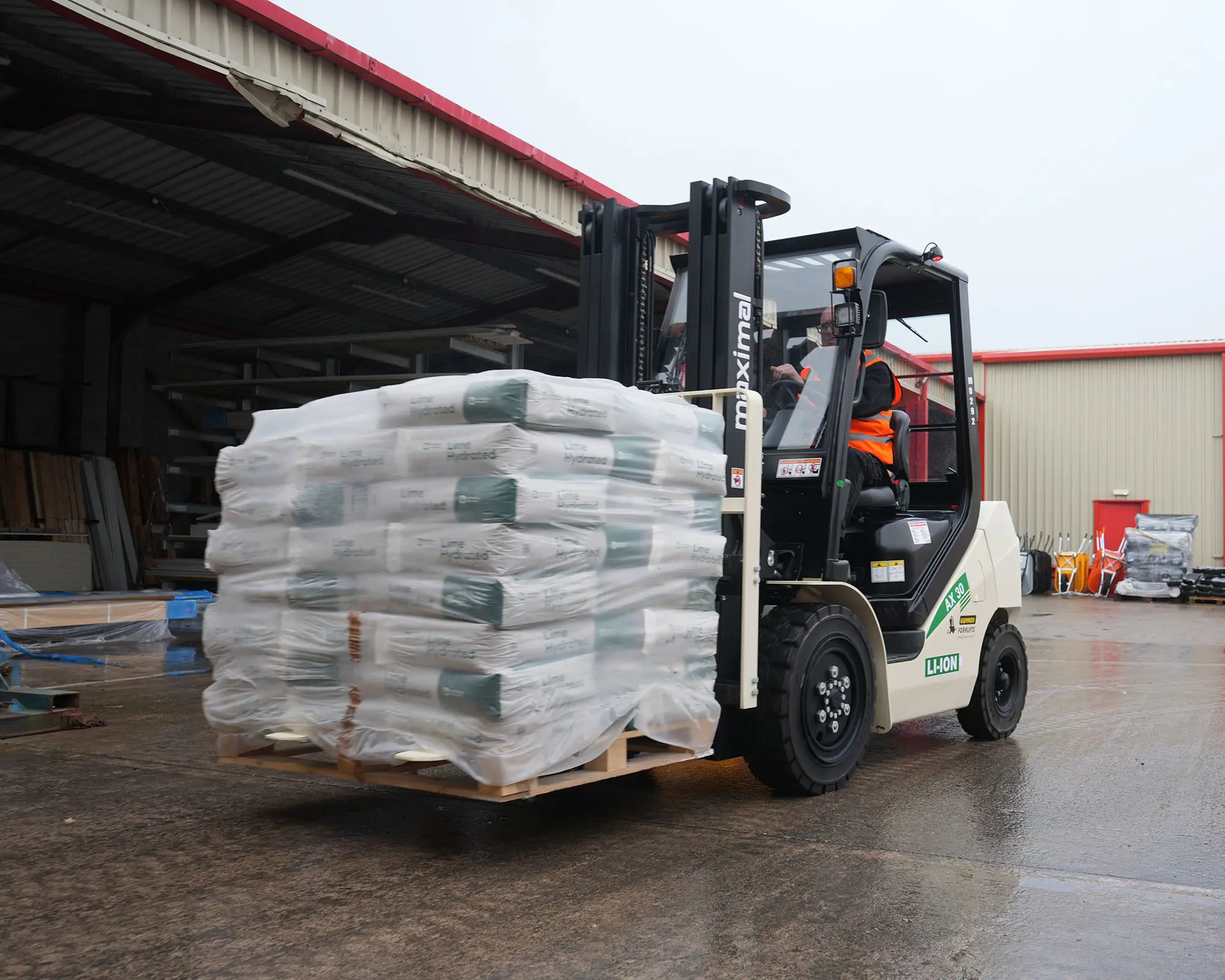
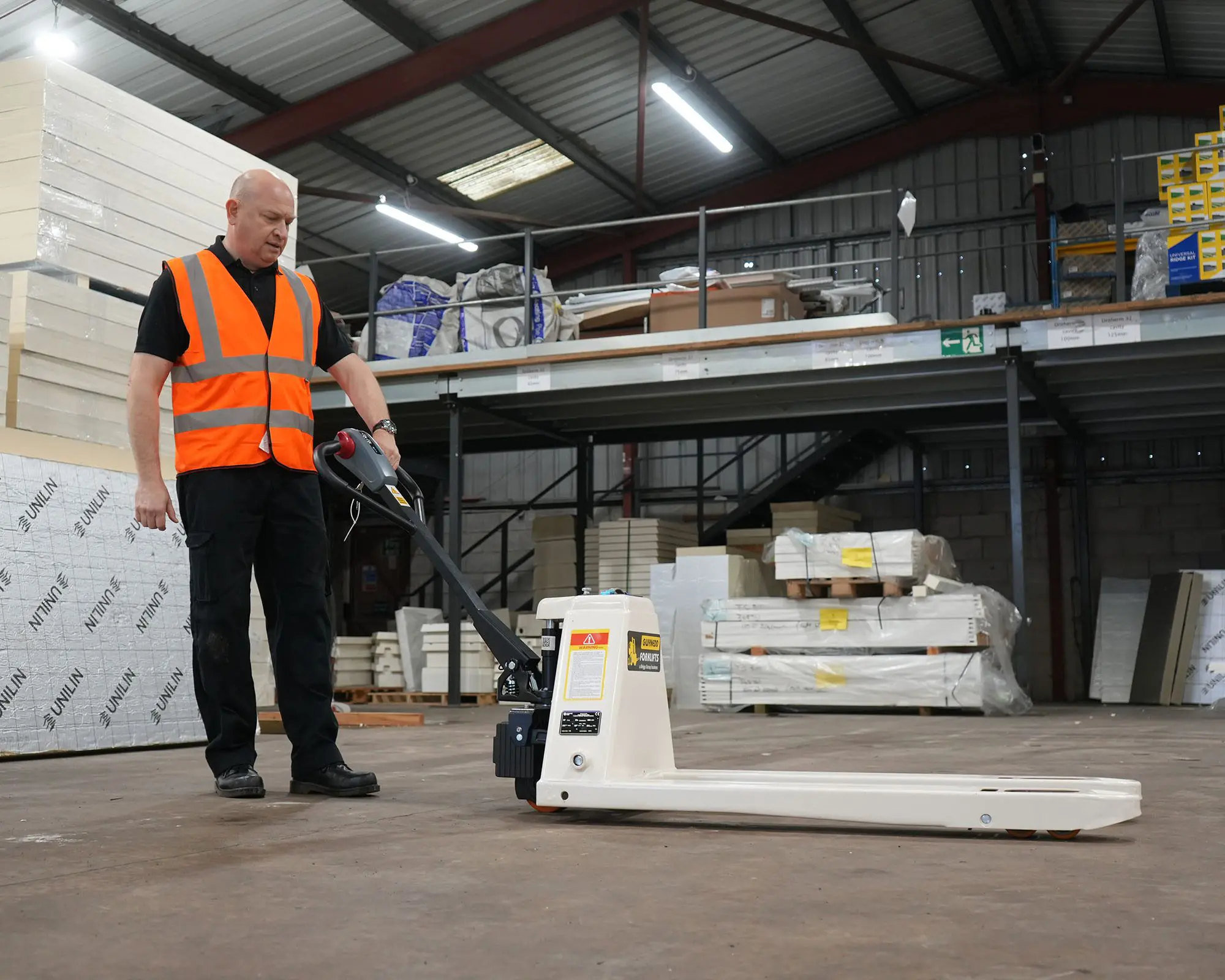
New vs Used Forklifts: Making an Informed Choice
Many businesses assume used equipment is the most cost-effective option. But this isn’t always true. Here we outline the benefits of buying new vs the risks of buying used forklifts.
Buying New: The Benefits
A new forklift gives you:
- Full manufacturer warranty
- Guaranteed reliability
- Lower lifetime maintenance costs
- Better fuel efficiency
- Modern safety features
- Custom specification options
With brands like Maximal, choosing new doesn’t mean paying premium prices. You get a solution backed by a strong warranty, the manufacturing pedigree of an international brand, and you build for success without inflated costs.
Buying Used: The Risks
Used equipment may cost less initially, but beware of:
- Unknown service history
- Higher repair costs
- Shorter lifespan
- Inconsistent performance
- Limited parts availability
- Restricted customisation options
Unless you have reliable proof of previous care and usage, buying used can become the more expensive option long-term. Unexpected repairs, reduced efficiency, and unplanned downtime can quickly outweigh any initial savings.
Why Affordability Doesn’t Mean Compromise
One of the biggest misconceptions in the forklift market is that “affordable” means “basic”. But modern manufacturing proves otherwise.
Maximal forklifts combine:
- High-quality build standards
- Advanced safety features
- A full range of power options
- Strong lifting performance
- Excellent reliability
- Highly competitive pricing
This means you can invest in equipment that works for your business without grabbing the most expensive brand “just because”.
Choosing the Right Power Type
Each power source has strengths. Selecting the right one depends on your operation.
Diesel Forklifts
Best for outdoor heavy lifting needing high torque and durability.
LPG Forklifts
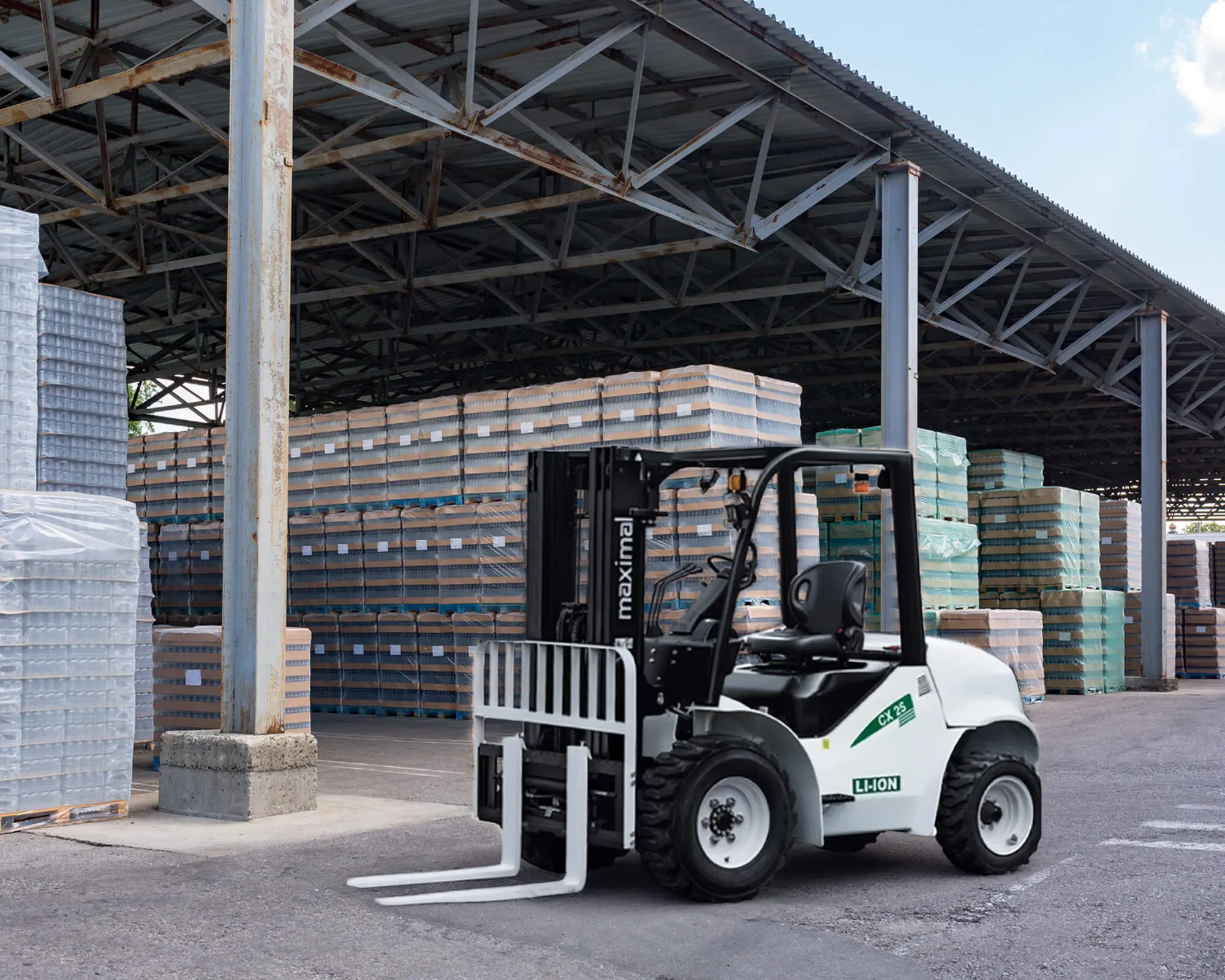
Flexible for indoor and outdoor use with fast refuelling.
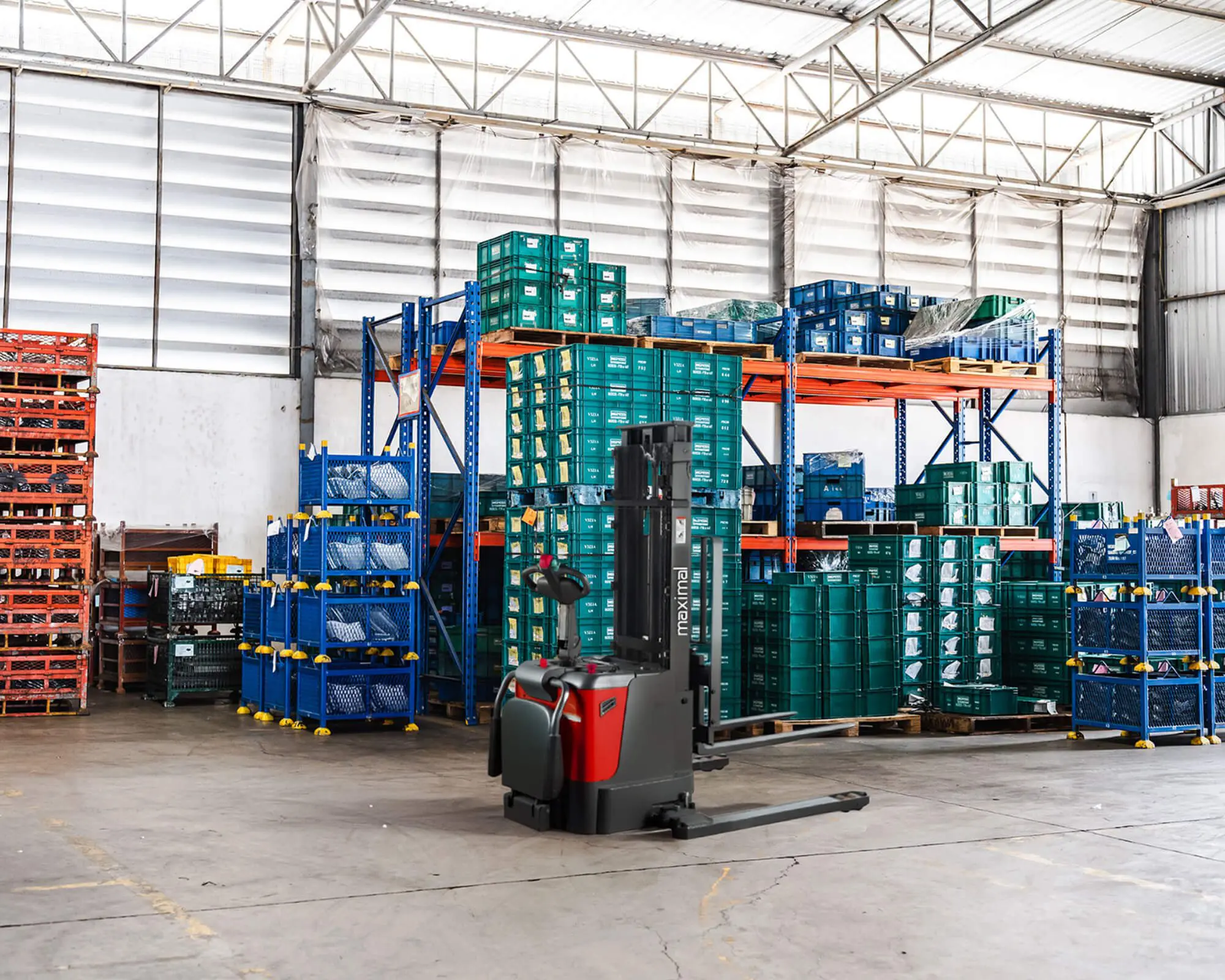
Electric Forklifts
Perfect for indoor environments, offering:
- Zero emissions
- Low noise
- Lower running costs
- Lithium-ion or lead-acid options
Electric trucks are increasingly popular for businesses wanting sustainability and long-term value.
Key Safety Features to Look For
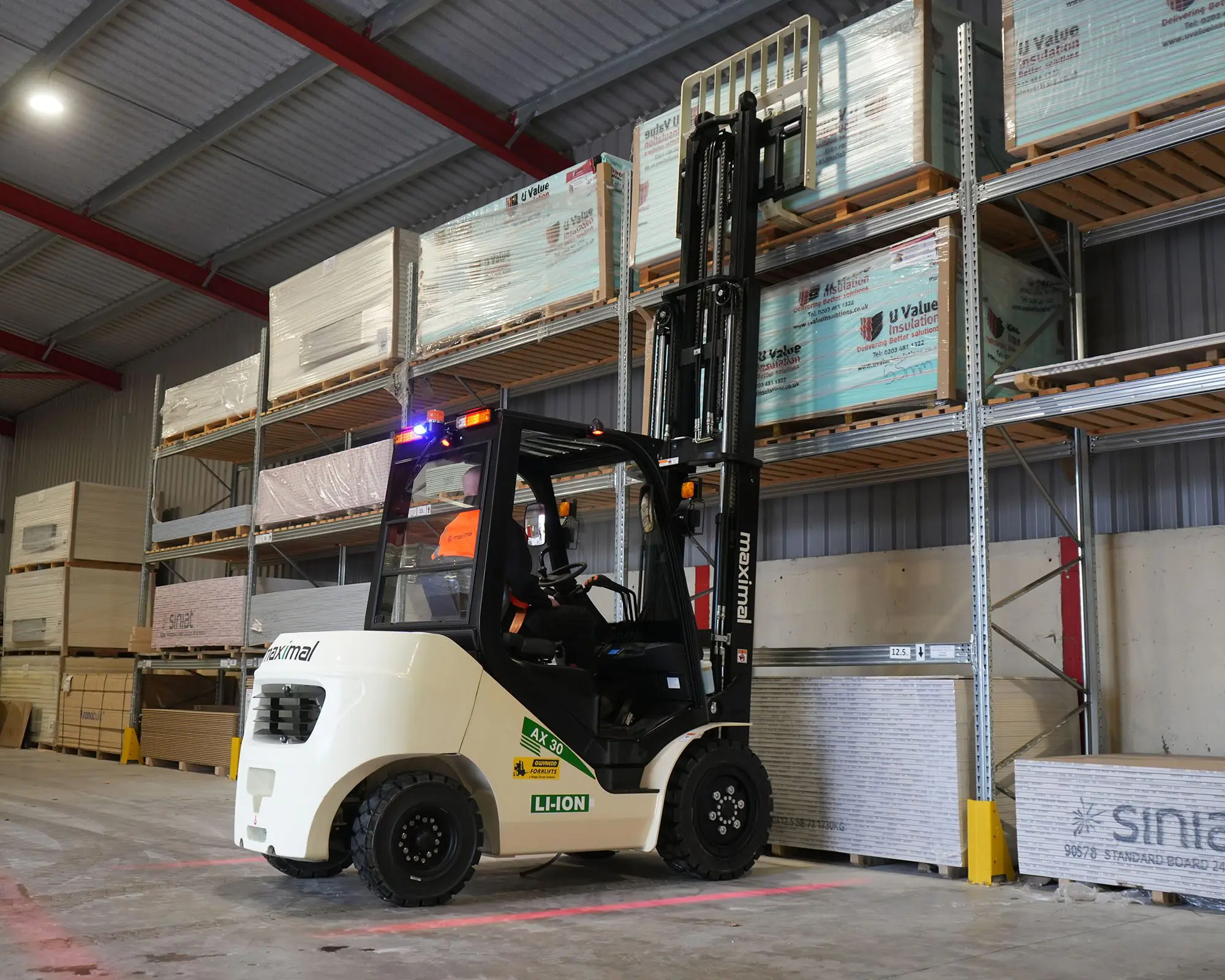
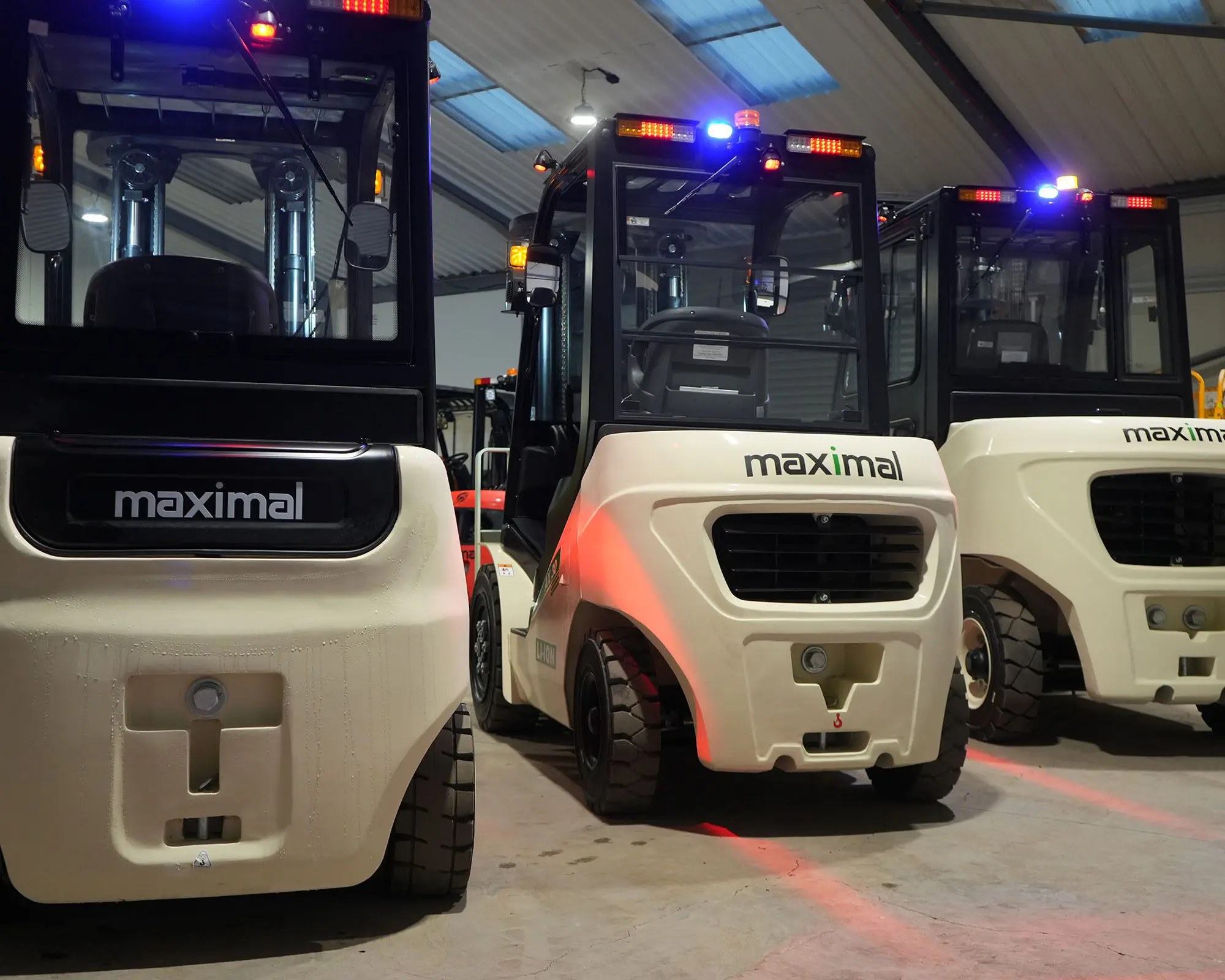
A forklift doesn’t need satellite connectivity, but it does need the right built-in protections.
Important features include:
- Operator presence systems
- Mast tilt and lift controls
- Stability systems
- Overload protection
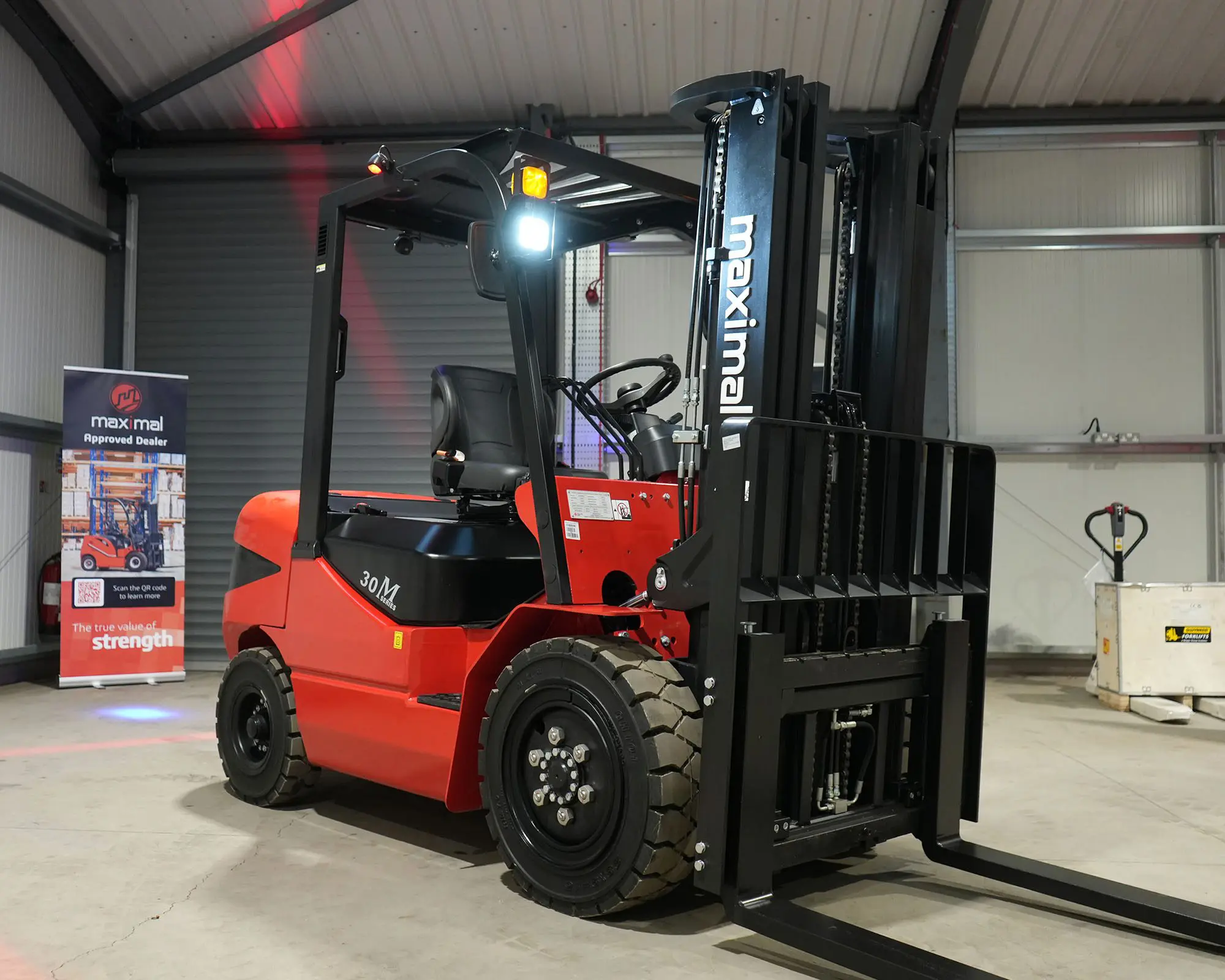
- LED lighting
- Strong visibility from the operator’s seat
Choosing a truck with high-quality safety features improves productivity, reduces accidents, and protects operators.
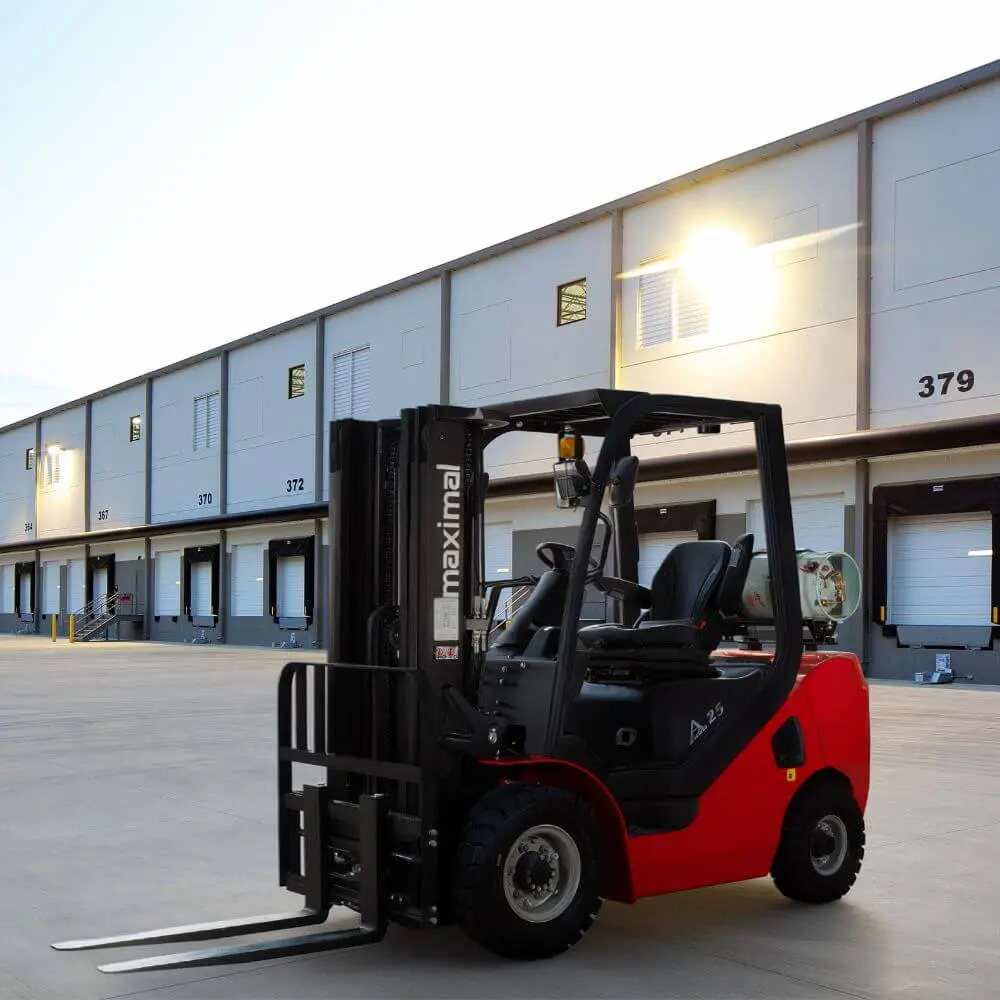
Introducing Maximal: The True Value of Strength
Investing without compromise, Maximal forklifts offer businesses a smart alternative to premium-priced brands. You get:
- Strength and durability
- Modern safety features
- Full dealer support network
- A wide product range up to 10 tonnes
- All power options: lithium-ion, lead-acid, LPG and diesel
- Affordable pricing without cutting corners
With Maximal, you can invest in the right truck for your needs without overspending, leaving budget available for other operational improvements.
Find the Forklift That Fits Your Business
Choosing the right forklift is about balance, matching price, performance, and practicality to your operation. By focusing on your real-world requirements and working with a knowledgeable dealer network, you can make an informed choice that supports your business long-term.
Discover the true value of strength with Maximal, and find a truck that works as hard as you do.